Expandable home or tiny home on wheels? An honest NZ comparison
Tiny homes on wheels and expandable homes solve the same problem in very different ways. One is built to travel on the road; the other is built to give you space. Here is how they compare in New Zealand, including the road rules most people only discover after they buy.
The short answer
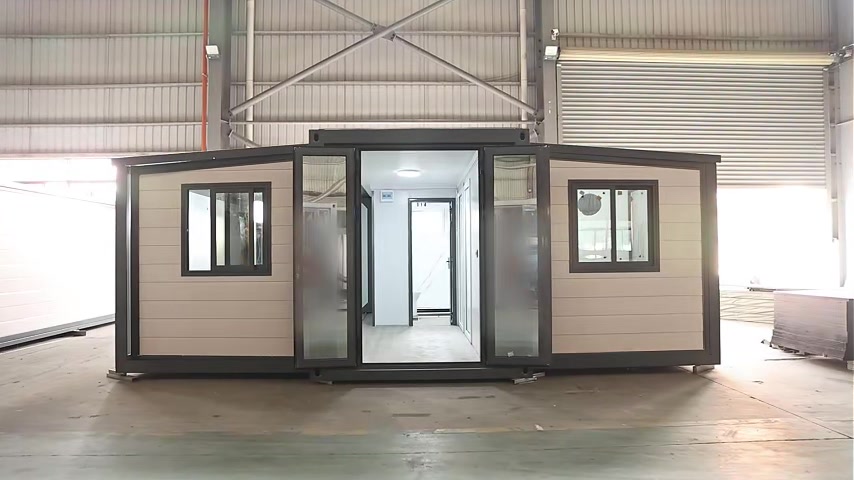
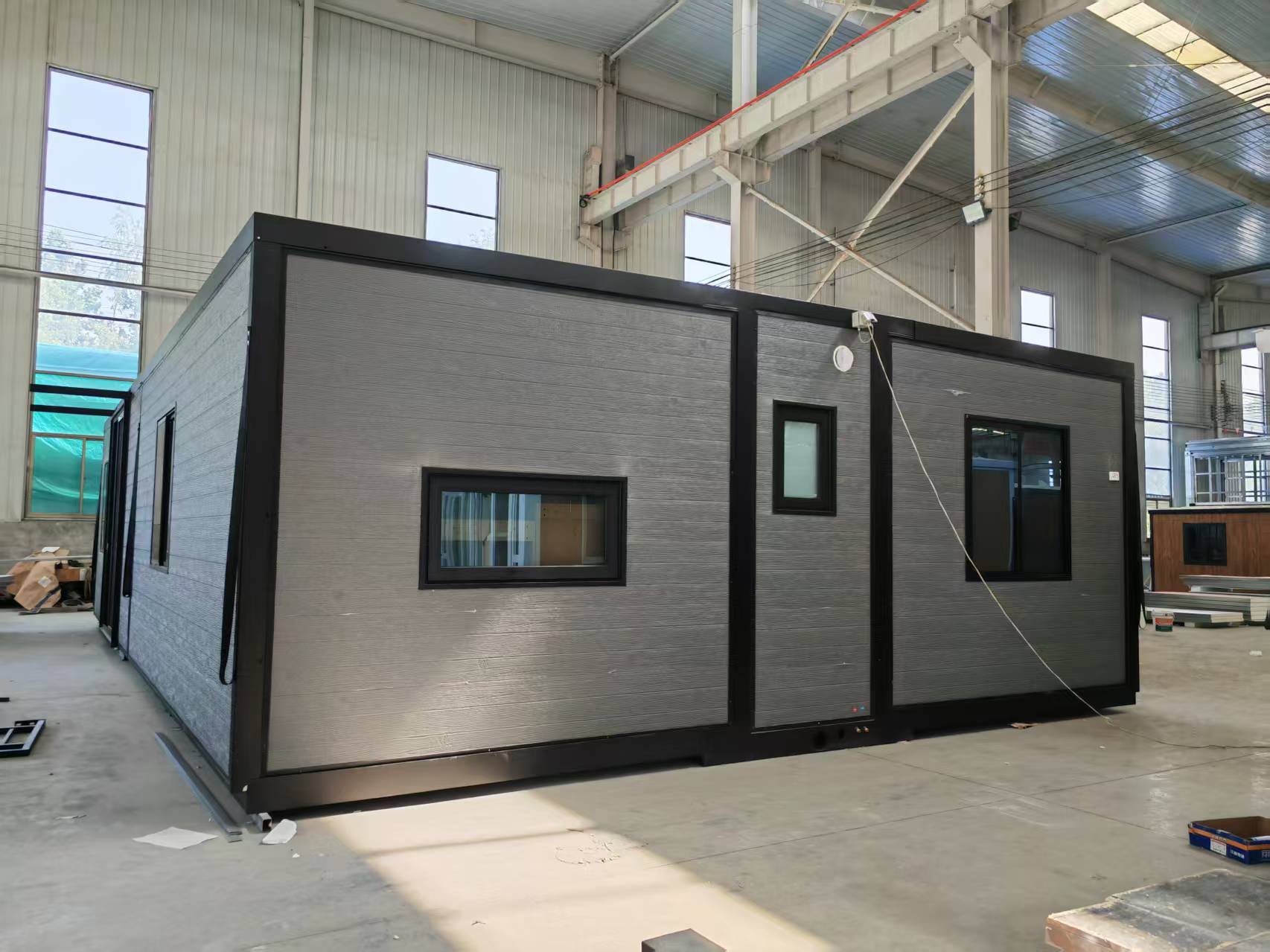
If you need to tow your home regularly, a tiny home on wheels makes sense. If you want the most living space for the money and plan to keep the home in one place for years, an expandable home usually wins. It still arrives on a truck and can be moved again later with a truck and crane.
NZ road limits for a tiny home on wheels
| Limit | Light trailer (typical tiny home) |
|---|---|
| Maximum width | 2.55 m |
| Maximum height | 4.3 m |
| Maximum length | 12.5 m |
| Maximum gross weight | 3,500 kg including the house |
| Over 3,500 kg | Becomes a heavy trailer with stricter rules (CoF instead of WoF) |
| Brakes | Required on heavier trailers; breakaway brakes common |
Side-by-side comparison
| Tiny home on wheels | Wingspan expandable home | |
|---|---|---|
| Inside width | About 2.3 to 2.4 m | About 6.1 m once opened |
| Two bedrooms | Usually lofts with ladders or stairs | Two ground-floor bedrooms (40 ft) |
| Floor area | About 20 to 30 m² | About 37 to 74 m² |
| Weight limit | 3,500 kg for a light trailer | No road weight cap: delivered as freight |
| Moving it | Towed on its own wheels | Truck and crane |
| Registration | Trailer registration and WoF | None: it's a building on footings |
| Consent | Depends on whether it's treated as a vehicle or a building | Building rules apply; the granny flat exemption may apply |
| Typical NZ price (2026) | About $65k to $95k for 1 bedroom, plus trailer | Quoted delivered to your site |
Vehicle or building? Why it matters
MBIE's tiny house guidance explains that a tiny home on wheels can be treated as a vehicle, a building, or both. The test is whether it is genuinely movable, or whether it is effectively fixed in place and lived in long term, for example connected to water and wastewater. A home on wheels that is connected and lived in permanently can still be treated as a building.
So wheels alone are not a way around council rules. Whichever you choose, talk to your council early.
Which one is right for you
| If you... | Consider |
|---|---|
| Move every few months | Tiny home on wheels |
| Want two real bedrooms | Expandable 40 ft |
| Want a sleepout or office | Folding cabin or expandable 20 ft |
| Need the most space per dollar | Expandable |
| Have no crane access at all | Talk to us first: we'll check your site |
Sources
This guide is general information to help you plan. Rules change and every site is different, so always confirm with your local council, licensed trades and the official sources linked in this guide before you commit.